If you’re stuck choosing between bamboo, cotton, or linen sheets, we totally get it. These are three of the most popular bedding materials, and while they're all plant-based, breathable, and known for comfort, they differ significantly in feel, performance, and overall sleep experience.
This guide breaks down everything you need to know about bamboo vs linen vs cotton sheets, including key differences, benefits, and how to choose the right one for your sleep style.
Bamboo Sheets: Silky, Cooling, and Durable
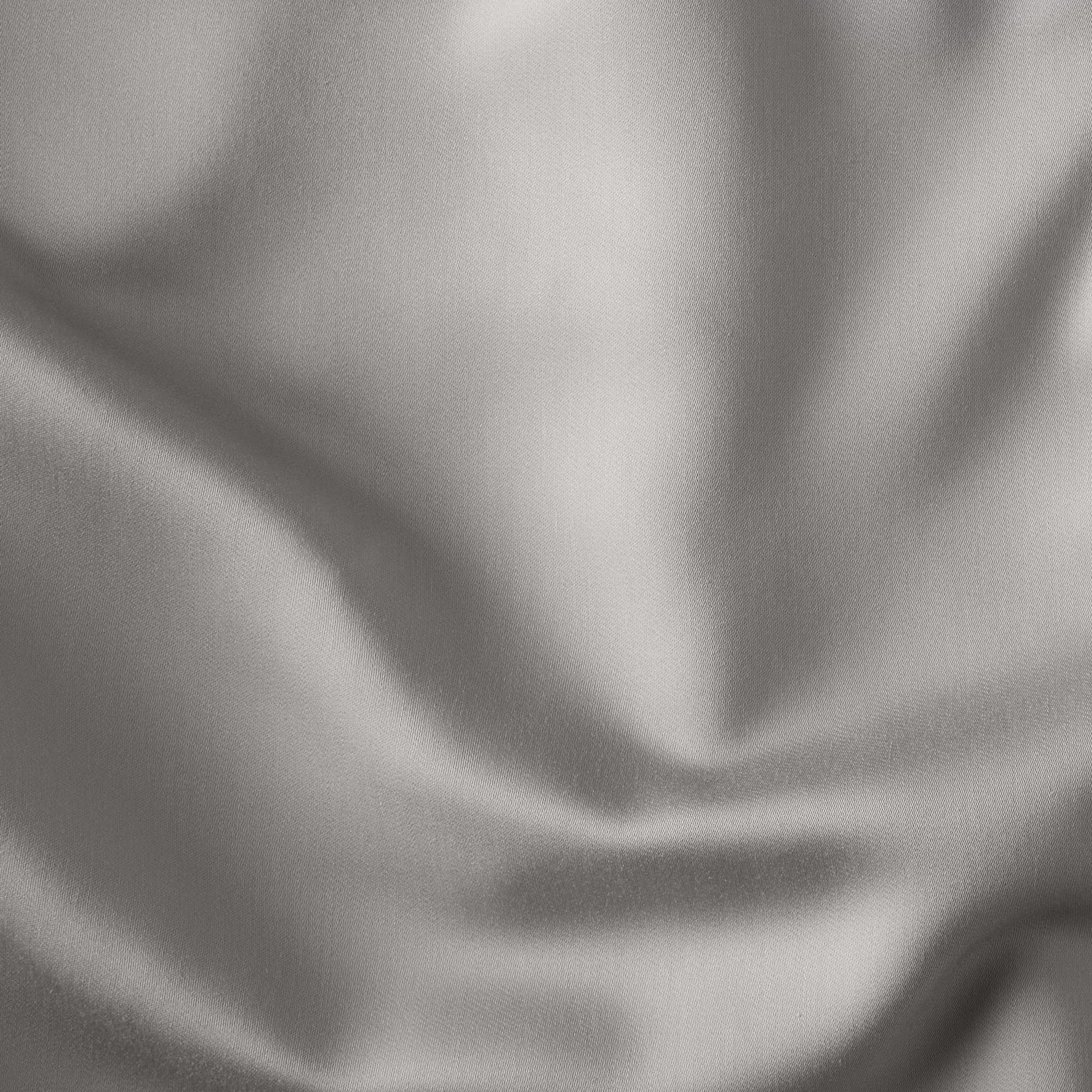
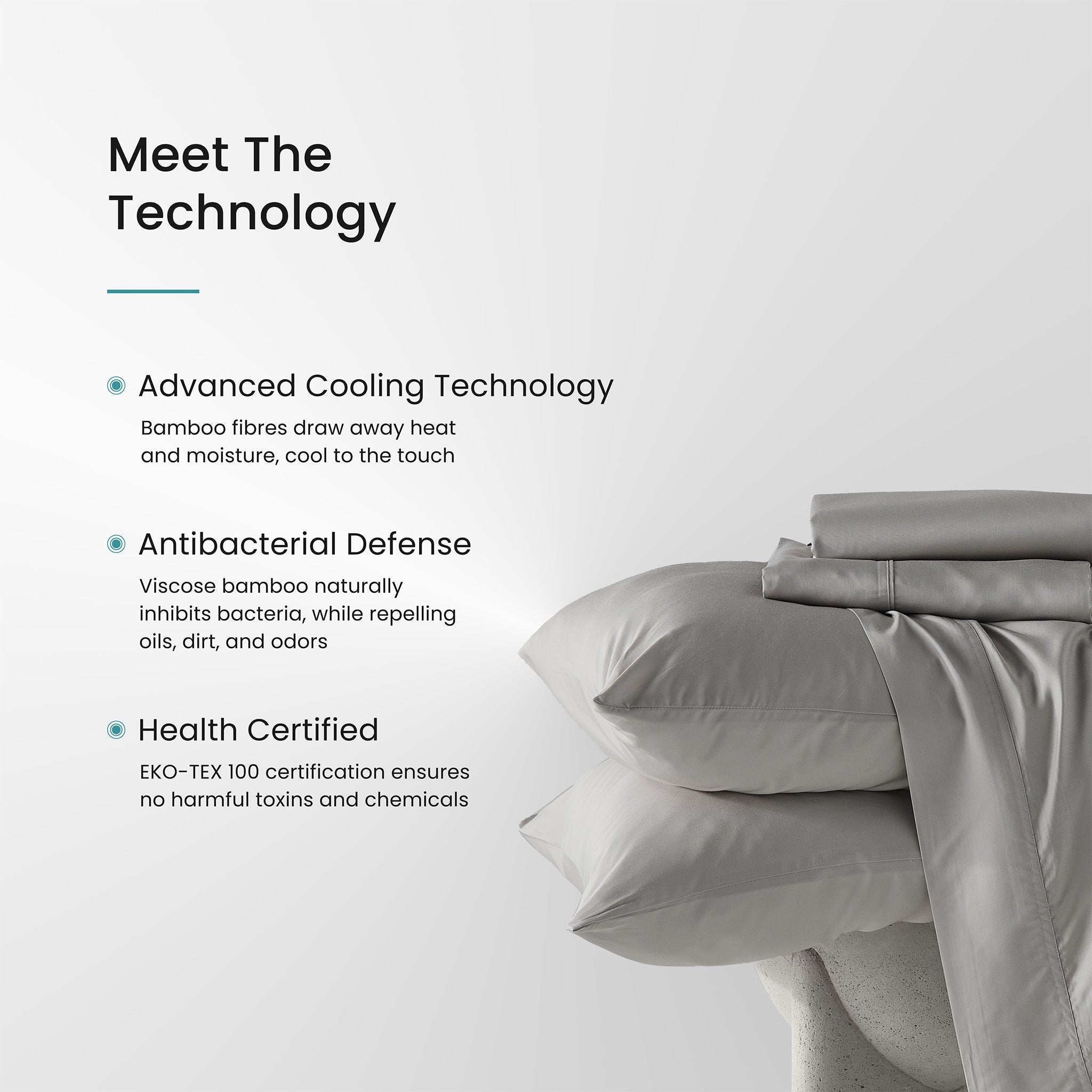
Bamboo-derived fabrics are amongst the most advanced materials used in bedding, widely renowned for their ultra-smooth, silky texture and standout cooling performance.
As the name suggests, bamboo sheets are made from fibers derived from the bamboo plant, which grows rapidly without the need for pesticides or fertilizers, making it a naturally sustainable and environmentally conscious material.
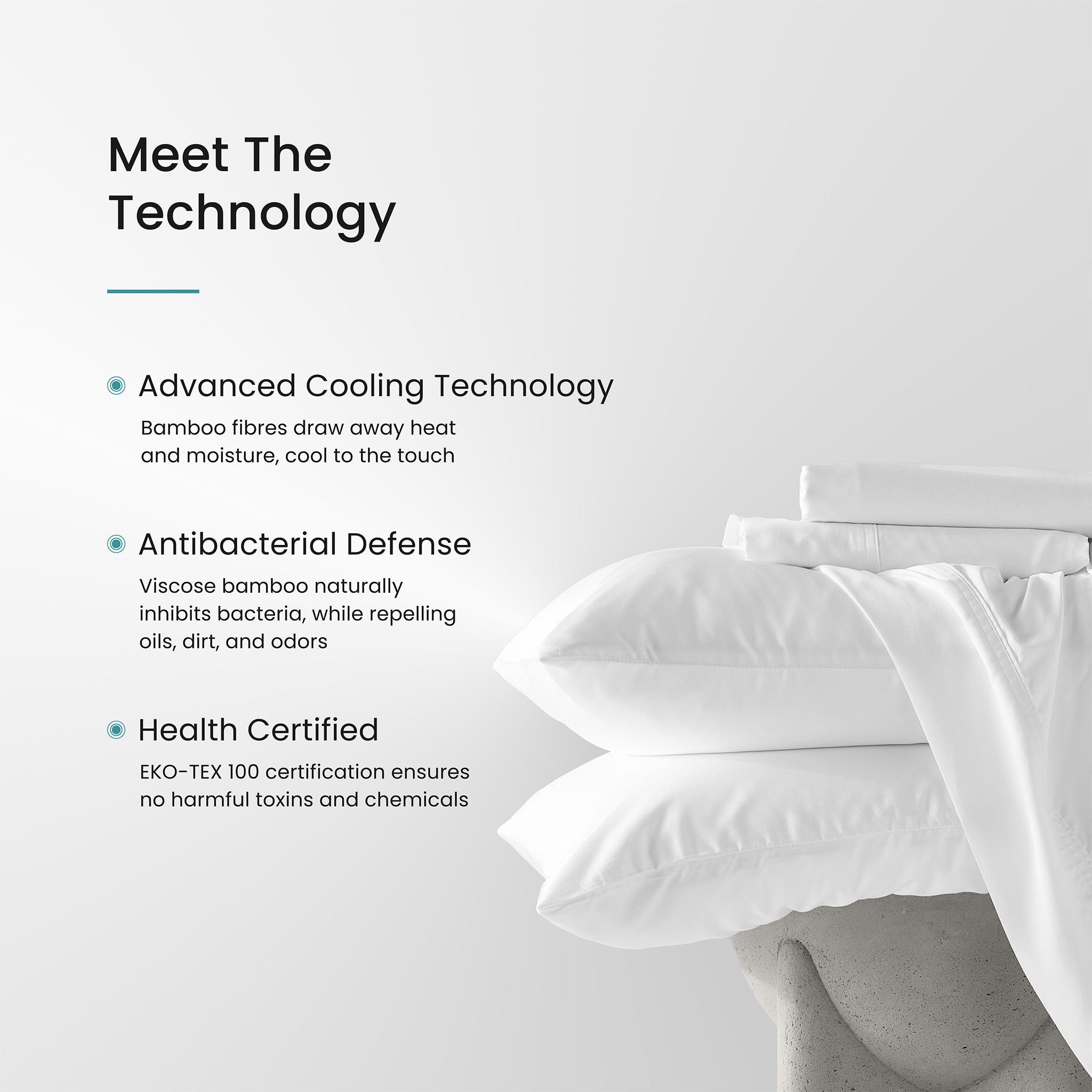
The fibers themselves are long and fine, giving bamboo sheets their signature softness while also enhancing flexibility and durability. In addition to their smooth feel, bamboo fabrics are highly breathable and moisture-wicking, helping to release body heat rather than retain it. This makes bamboo an excellent option for hot sleepers seeking a cooler, more comfortable night’s rest.

But hot sleepers aren’t the only ones who benefit from the cooling effects of bamboo sheets. Sleep scientists suggest that the ideal temperature for sleep is between 60 and 67 degrees Fahrenheit, but many of us aren’t able to keep our bedrooms that cool, especially during the summer months. Bamboo sheets can help you stay cooler throughout the night.
Bamboo is also an excellent choice for those with sensitive skin as it’s naturally hypoallergenic. The smooth fiber structure reduces friction, creating a more soothing feel that can help minimize irritation. When properly cared for, bamboo sheets will also get even softer over time.
So what’s the catch? In many cases, the main drawback of bamboo sheets is the price. They can sit at a higher price point, but are sometimes blended with other materials to reduce cost and improve accessibility, which can also affect overall softness and performance.
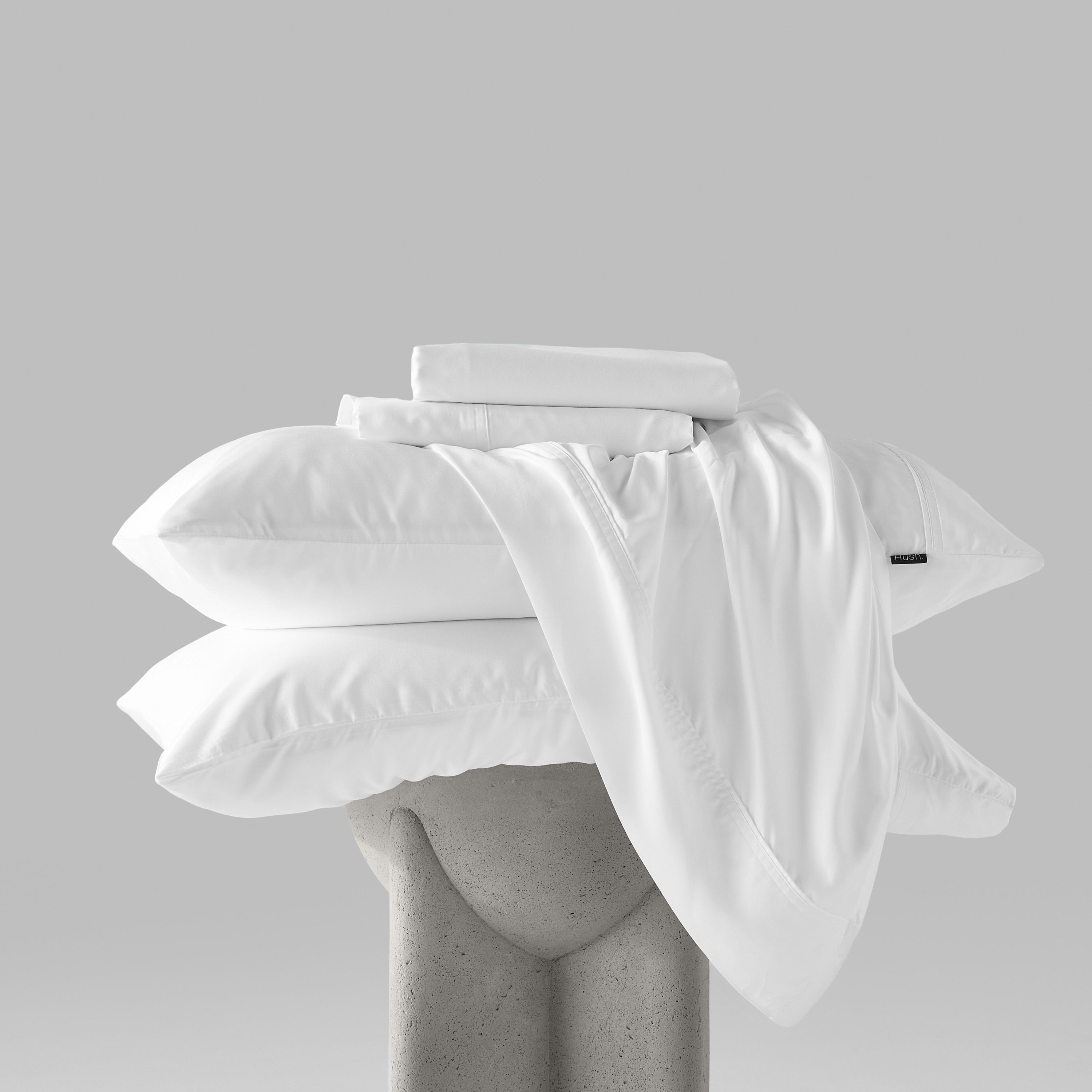
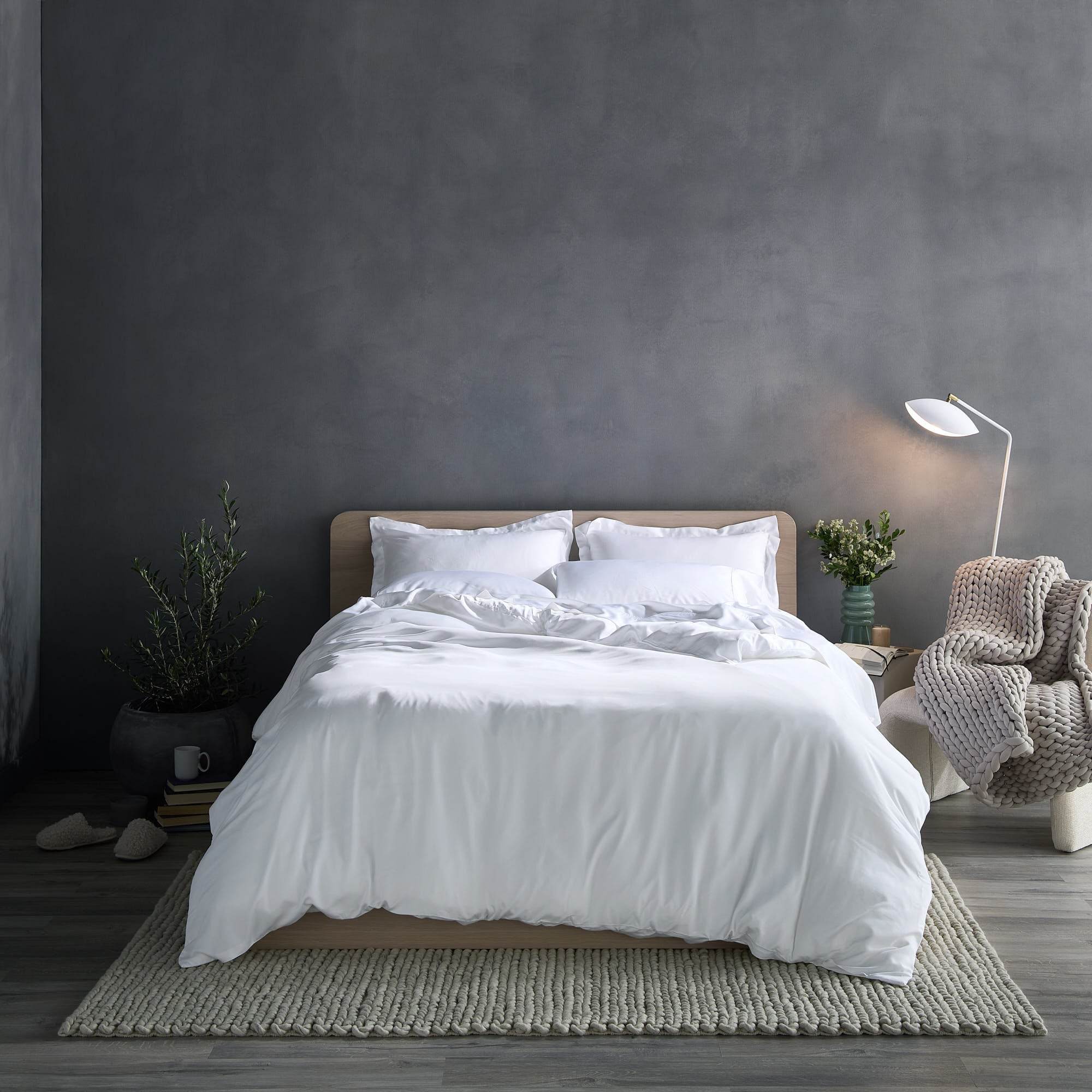
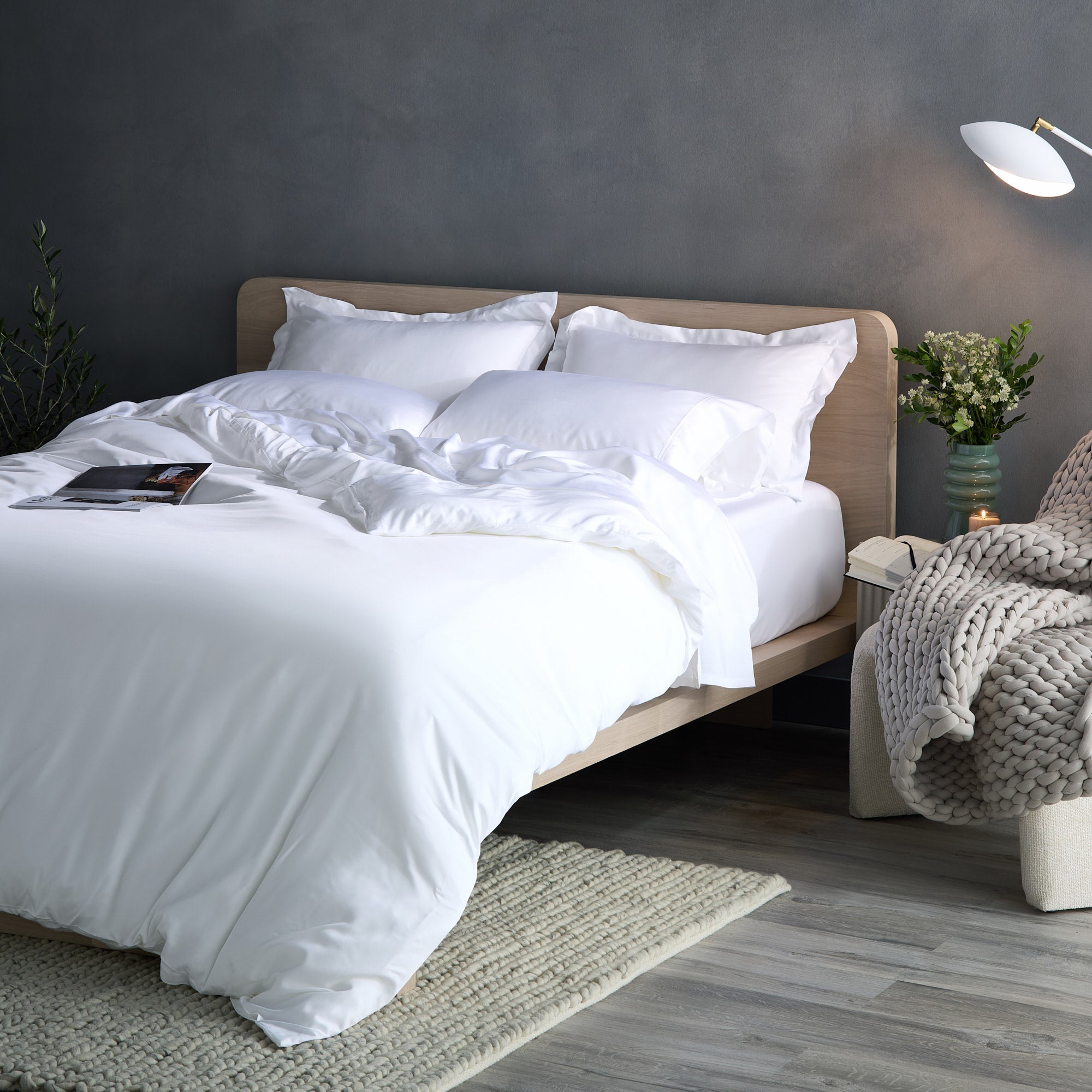
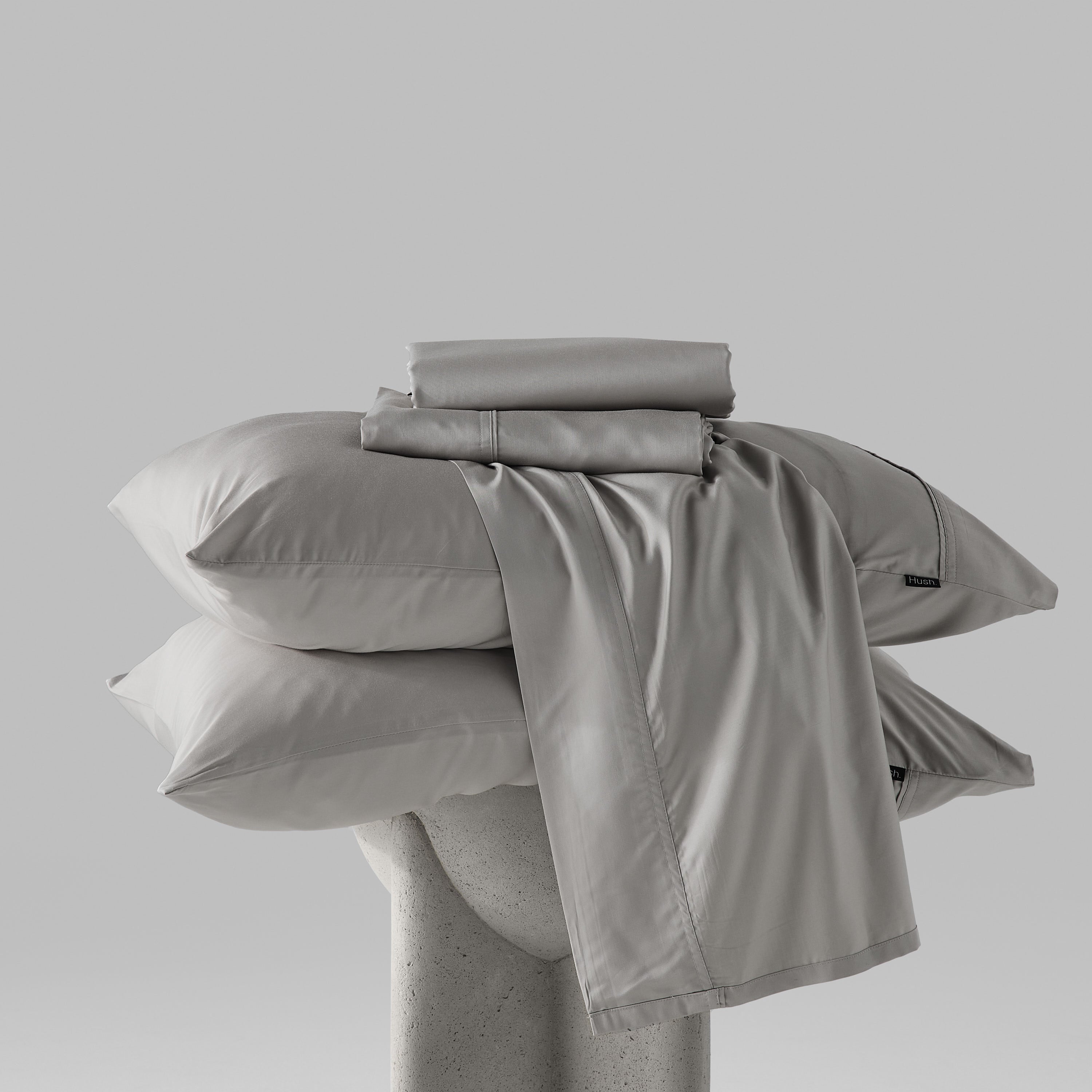
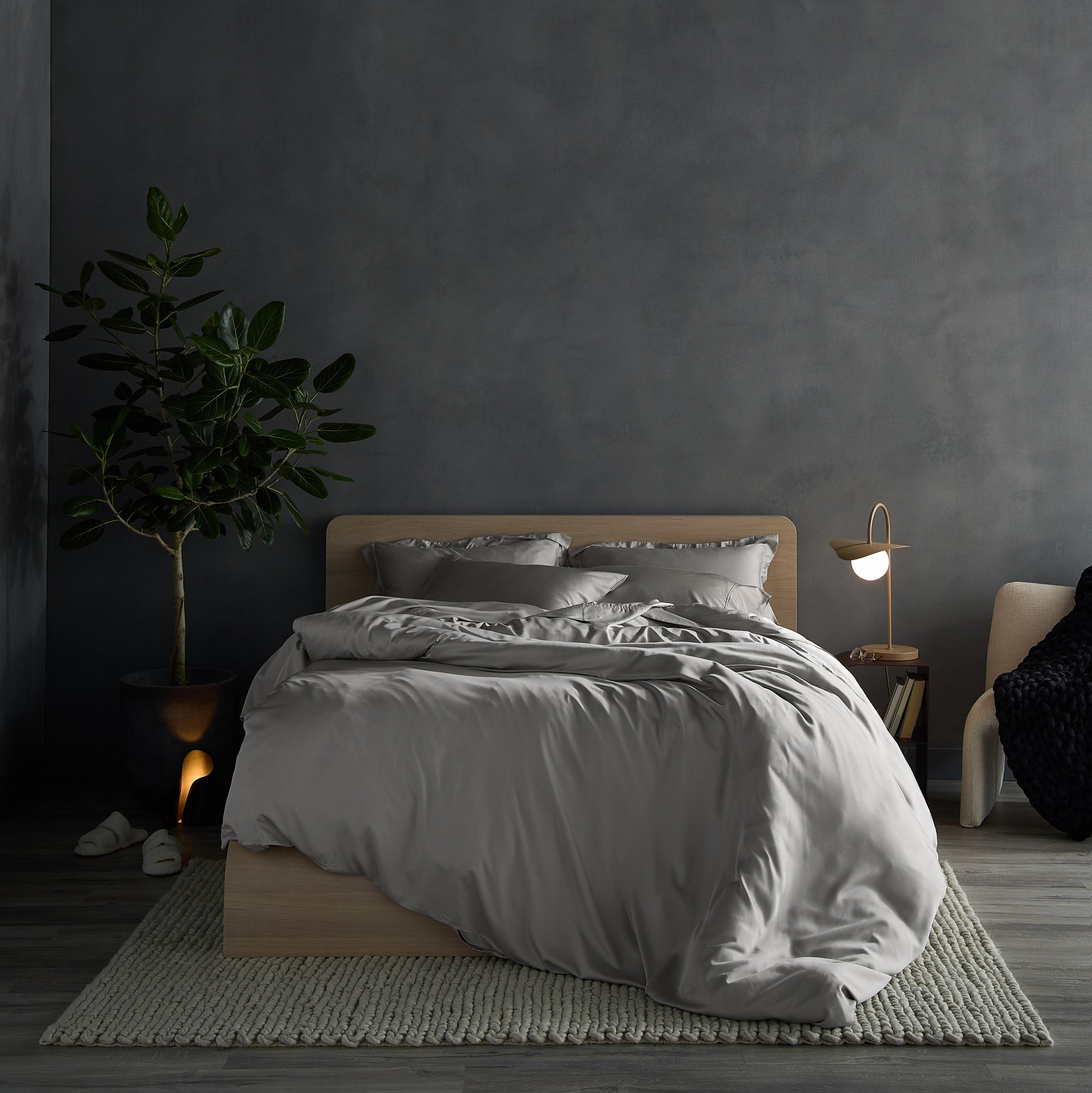
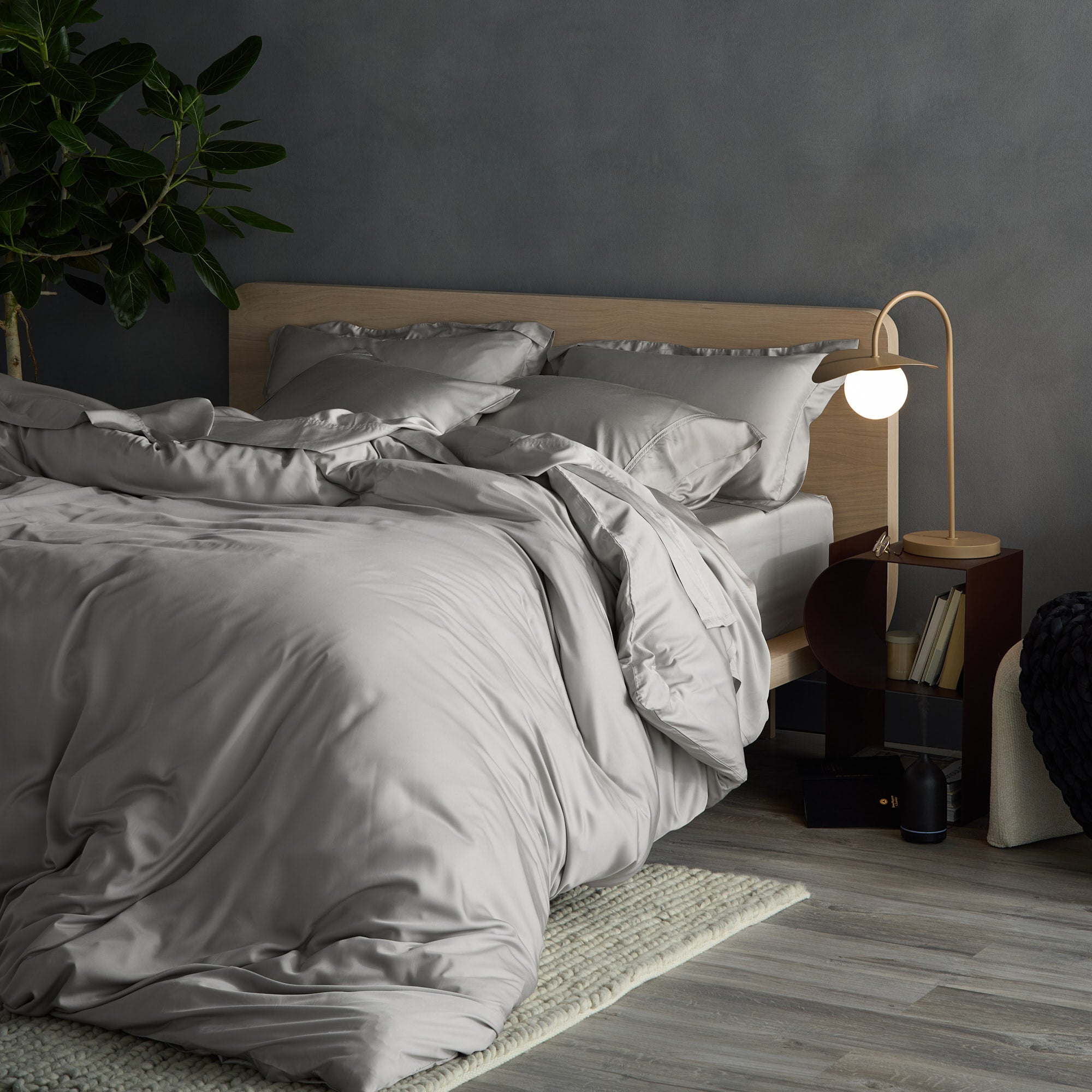
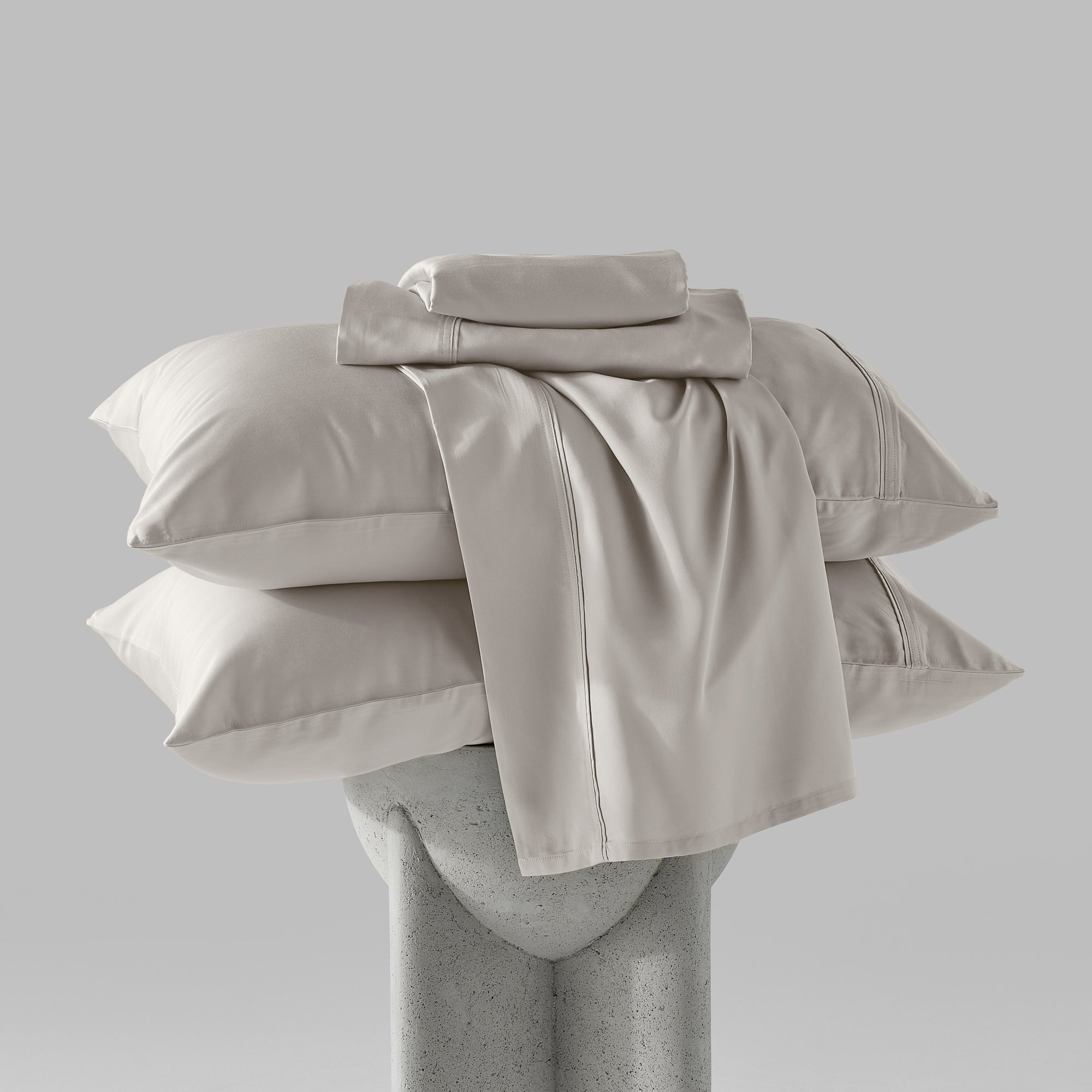
One exception is of course our Hush Iced Cooling Sheets, crafted from 100% organic bamboo viscose. They are designed to deliver a high-end sleep experience with a focus on cooling, softness, and comfort without compromising on material integrity.
Another variation you may come across is bamboo linen, which offers a more natural texture. However, it is generally less smooth, less wrinkle-resistant, and often priced higher than traditional bamboo viscose due to its complex production method.
Linen Sheets: Breathable, Textured, and Naturally Airy
Linen sheets are made from fibers derived from the flax plant and are known for their durability, breathability, and relaxed texture. Unlike smoother fabrics like bamboo or cotton, linen has a more structured, textured feel that promotes airflow throughout the night.
The fiber structure of linen allows for consistent ventilation and efficient moisture release, helping maintain a balanced sleep environment. This makes linen a strong option for warm climates or sleepers who prefer a lighter, more breathable feel.
Linen is also valued for its naturally relaxed, lived-in look. Its slightly wrinkled appearance is part of its appeal, offering a more effortless, elevated aesthetic compared to more structured fabrics. That said, linen can feel crisper initially and tends to soften gradually over time with use and washing. It also wrinkles more easily and typically comes at a higher price point due to the complexity of its production.
Cotton Sheets: Soft, Comfortable, and Versatile
Cotton is one of the most widely used materials in bedding, known for its versatility and everyday comfort. It offers a soft, familiar feel that works well across a variety of sleep preferences, making it a reliable choice for many households.
One of cotton’s biggest advantages is how easy it is to care for. It holds up well with regular washing and becomes softer over time, making it ideal for those looking for low-maintenance bedding that fits seamlessly into their routine.
Cotton also comes in a range of finishes and constructions, which can influence how it feels and performs. In general, it offers a balanced sleep experience—comfortable and dependable, though less cooling than bamboo and less textured than linen.
For those who prioritize simplicity, ease of care, and a more traditional bedding feel, cotton remains a practical and accessible option.
Hush Cloud Sheets: Cotton with a Linen-Inspired Finish
If you love the look of linen but prefer the softness and price point of cotton, Hush Cloud Sheets offer a hybrid solution.
Made from 100% cotton, they are specially treated to mimic the relaxed texture and airy aesthetic of linen without the higher cost or maintenance. The result is a soft, breathable sheet set that delivers that effortless, linen-inspired look while maintaining the easy care and comfort of cotton.
Hush Cloud Sheets are ideal for anyone who wants a more elevated, textured bedding style that still feels familiar, soft, and everyday practical.

Bamboo vs Linen vs Cotton Sheets: How to Choose
Linen is typically the most premium-priced option, valued for its naturally textured, breathable feel. Bamboo is the smoothest and most cooling-focused option, known for its silky softness and moisture-wicking performance. Cotton is the most familiar and versatile option, offering everyday comfort and easy care.
If you’re a hot sleeper and/or have sensitive skin, bamboo is the strongest choice. It helps regulate temperature more effectively than cotton, and its naturally smooth, hypoallergenic feel makes it especially soothing on the skin.
Cotton is also soft and breathable—especially in higher-quality constructions—but it generally doesn’t offer the same level of cooling or silk-like finish as bamboo. Linen, meanwhile, excels in airflow and texture but comes with a more premium price and a more textured initial feel.
Beyond fabric type, it’s also important to consider construction and blends. Many products marketed as “bamboo” or “cotton” are blended with synthetic fibers to reduce cost, which can impact breathability, softness, and overall performance. No matter which fabric you prefer, focusing on quality construction and honest materials will make the biggest difference in how your sheets feel night after night.
If you’re still unsure, don’t worry, we’ve got you. Explore sheet content on our blog for more helpful guides on choosing the right bedding, understanding different materials, and what to look for when making your purchase, so you can land on the sheets that feel right for you. Happy resting!